Can alcohol-free herbal drops replace cocktail bitters in a zero-proof drink? The answer depends on the flavor you want. When comparing lemon balm glycerite vs cocktail bitters, the key distinction is sweetness and citrus-herbal aroma versus the concentrated, often bitter character of traditional cocktail bitters.
Lemon balm glycerite is a liquid botanical extract typically made with vegetable glycerin and water. Cocktail bitters are concentrated flavoring products commonly made with herbs, roots, spices, and bittering ingredients. Both may come in small bottles, but they serve different purposes.
Secrets Of The Tribe emphasizes ingredient transparency and intended product use when comparing herbal supplements with beverage flavorings. A similar bottle or dropper format does not make two preparations interchangeable.
This guide explains how the products differ, what happens when you substitute one for the other, and how to choose ingredients for an alcohol-free botanical drink.
Can Lemon Balm Glycerite Replace Cocktail Bitters?
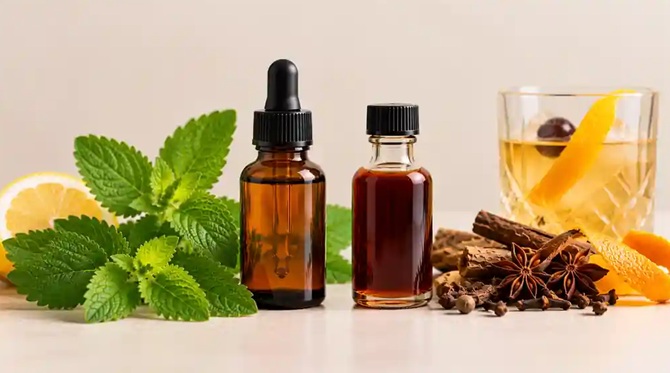
Lemon balm glycerite can provide an alternative botanical flavor, but it does not directly replace the bitterness of cocktail bitters. Its naturally sweet extraction base and lemony herbal character create a different result.
If a recipe uses bitters mainly for aromatic complexity, lemon balm may offer another flavor direction. If the recipe relies on a distinctly bitter finish, glycerite alone usually cannot reproduce it.
Glycerite vs Bitters: Quick Comparison
| Characteristic | Lemon Balm Glycerite | Cocktail Bitters |
|---|---|---|
| Primary purpose | Liquid botanical supplement | Concentrated beverage flavoring |
| Typical botanical composition | Lemon balm extract | Often multiple herbs, spices, roots, or peels |
| Common extraction base | Glycerin and water | Alcohol or an alcohol-free alternative |
| Typical flavor | Sweet, lemony, herbal | Botanical, aromatic, often bitter |
| Sweetness | Often noticeable | Varies by formulation |
| Bitterness | Usually relatively mild | Often intentionally prominent |
| Alcohol content | Usually alcohol-free | Alcoholic or alcohol-free |
| Common measurement | Label-directed serving | Recipe-directed dashes or drops |
| Use in zero-proof drinks | When directions permit beverage mixing | When alcohol content meets the intended requirement |
| Direct substitute? | No | No |
These are typical category differences. Some alcohol-free bitters use glycerin, and not every bitters formula is intensely bitter. The actual ingredient list determines the finished flavor.
What Makes Cocktail Bitters Taste Bitter?
Cocktail bitters commonly contain botanical ingredients selected to add bitterness, aroma, or both. Their concentrated flavor allows small amounts to influence the overall character of a drink.
Traditional Bittering Ingredients
Common bittering botanicals include gentian root, wormwood, and cinchona bark. These ingredients contribute distinctive bitter notes that can contrast with sweetness and fruit flavors.
Other ingredients may include citrus peel, herbs, flowers, and spices. The balance depends on the particular bitters formula.
Some products emphasize orange, aromatic spices, or floral notes rather than strong bitterness. The category includes considerable variation.
Bitterness as a Flavor Component
Bitterness is one of the basic taste sensations. In mixed drinks, it provides contrast to sweet, acidic, and fruity flavors.
Aromatic bitters can make a drink taste more complex without becoming its dominant ingredient.
Replacing bitters with something sweet changes that balance. The drink may remain pleasant, but it will not necessarily resemble the original recipe.
Why Small Quantities Matter
Cocktail bitters are generally formulated for use in small recipe-directed amounts, often measured in dashes.
A dietary supplement dropper is not equivalent to a bartender’s dash. Bottle design, liquid thickness, and intended serving instructions differ.
What Does Lemon Balm Glycerite Taste Like?
Lemon balm glycerite typically combines a mild citrus-herbal flavor with sweetness from its glycerin base. It generally lacks the pronounced bitterness associated with traditional cocktail bitters.
Lemon Balm: Melissa officinalis
Lemon balm is an aromatic perennial herb in the Lamiaceae family. Its green leaves have a recognizable lemon-like fragrance.
Naturally occurring aromatic compounds contribute to this citrus character. However, lemon balm is not a citrus fruit, and its taste is generally more herbal than acidic.
The finished liquid extract may include grassy, green, or slightly astringent notes.
The Role of Vegetable Glycerin
Vegetable glycerin, also called glycerol, is a naturally sweet, viscous liquid used in various food and botanical preparations.
Its sweetness can soften the perceived sharpness of some herbal extracts. It can also change the mouthfeel of a beverage.
Unlike a bittering ingredient, glycerin does not provide the characteristic bitter contrast expected from conventional cocktail bitters.
Why Sugar-Free Drops Can Taste Sweet
The Lemon Balm Tincture product listing identifies the preparation as alcohol-free and sugar-free. The manufacturer also confirms that its organic glycerin comes from a vegetable source.
Because glycerin tastes sweet, an extract may have noticeable sweetness without added sugar.
Sugar-free labeling does not automatically mean calorie-free or completely neutral in flavor.
Are Glycerites and Alcohol-Free Bitters the Same Thing?
No. Both categories can use vegetable glycerin, but their ingredients, formulation goals, and directions may differ substantially.
Glycerin-Based Botanical Extracts
A glycerite is a botanical preparation made using glycerin, commonly combined with water.
Some glycerites contain one botanical species, while others contain multiple herbs.
Products sold as dietary supplements have their own serving instructions and ingredient declarations. Their intended use should guide how they are consumed.
Alcohol-Free Cocktail Bitters
Alcohol-free bitters are formulated as beverage flavorings. Manufacturers may use glycerin, water, or other suitable ingredients instead of ethanol.
These products can still contain bittering botanicals such as gentian or other bitter plants.
The absence of alcohol therefore does not mean the product tastes sweet or lacks bitterness.
Why the Ingredient List Matters More Than the Base
Two glycerin-based liquids can have very different sensory profiles.
One may contain predominantly lemon balm, while another combines citrus peel, spices, and bittering botanicals.
The extraction base influences sweetness and texture. The botanical ingredients contribute much of the distinctive flavor.
Can You Use Lemon Balm Drops in a Zero-Proof Drink?
Yes, when the product is intended for oral use and its instructions permit mixing with water or another beverage. However, a dietary supplement should not be handled as an unrestricted cocktail flavoring.
The product listing for lemon balm drops made with vegetable glycerin specifies use with water and provides a recommended serving.
That serving is different from the dashes used in a traditional bitters recipe. Follow the supplement’s directions rather than adding extra drops until the drink reaches a desired flavor intensity.
Plain Sparkling Water
Unsweetened sparkling water provides a neutral base for experiencing lemon balm’s herbal-citrus character.
The glycerin base may contribute sweetness, while carbonation adds a mildly acidic, tingling sensation.
Citrus-Flavored Water
Lemon and lime flavors can complement lemon balm’s natural aroma.
A suitable beverage containing fresh citrus may create a brighter flavor profile without requiring a sweet syrup.
Fruit-Based Botanical Drinks
Light berry, apple, or peach flavors may also pair with lemon balm.
The combination will generally differ from a classic bitters-based mocktail because it lacks the same intentionally bitter structure.
These are flavor pairing suggestions, not alternative supplement serving instructions.
When Does Replacing Bitters With Glycerite Make Sense?
A substitution makes sense only when you are comfortable changing the drink’s flavor profile. Lemon balm glycerite is most relevant when you want a mild herbal-citrus ingredient rather than characteristic bitters flavor.
When You Prefer Less Bitterness
If you dislike bitter beverages, a lemon balm preparation may offer a more approachable botanical taste.
However, the result will usually be sweeter and less assertive than a recipe made with traditional aromatic bitters.
When You Want Lemon-Herbal Notes
Lemon balm is a reasonable flavor choice when a citrus-herbal character fits the drink.
Its aroma may complement fruit and sparkling water, although the final intensity depends on the extract.
When the Recipe Depends on Bitterness
If a recipe specifically calls for a bittering element, lemon balm glycerite is generally not a close substitute.
A properly labeled alcohol-free cocktail bitters product may be more suitable for reproducing that bitter flavor, provided its ingredients meet your requirements.
The editorial approach at Secrets Of The Tribe distinguishes beverage flavor preferences from supplement serving instructions. Choosing a different taste does not make two product categories equivalent.
Does Using Regular Bitters Make a Drink Alcohol-Free?
Not necessarily. Many traditional cocktail bitters contain substantial amounts of alcohol. Adding only a few dashes reduces the alcohol concentration in the finished drink, but it does not remove the alcohol introduced.
This matters when a beverage is intended to contain no alcoholic ingredients.
Traditional Alcohol-Based Bitters
Many aromatic bitters use high-proof alcohol to extract botanical flavors.
Even though they are generally added in small quantities, their alcohol content remains relevant to strict alcohol avoidance.
Alcohol-Free Alternatives
Alcohol-free cocktail bitters are available, but labeling standards and terminology may differ between markets.
If complete alcohol avoidance is essential, check the product’s stated alcohol content and contact the manufacturer when the label is unclear.
Zero-Proof Is Not a Botanical Ingredient Category
Zero-proof describes a beverage concept, not a guarantee about every ingredient used in the recipe.
Review bitters, extracts, flavorings, and mixers individually before preparing a drink intended to contain no alcohol.
What Should You Check Before Replacing Cocktail Bitters?
Start by deciding whether the drink needs bitterness, botanical aroma, or both. Then review the intended use and ingredients of the product you are considering.
Flavor Purpose
Bitters are usually selected for concentrated flavor and bitter contrast. A lemon balm glycerite provides a different balance of herbal aroma and sweetness.
Product Classification
Check whether the bottle is labeled as a dietary supplement or a beverage flavoring.
Supplement servings should not be replaced with cocktail recipe measurements without appropriate product guidance.
Botanical Ingredients
Identify the plant species and other ingredients. A single-herb extract differs from a multi-botanical bitters formula.
Alcohol Content
Verify that the actual formulation matches your alcohol preferences. The word botanical does not mean alcohol-free.
Individual Suitability
If you take medications, are pregnant or nursing, or have relevant health concerns, consult a qualified healthcare professional before using herbal supplements.
Do not substitute essential oils or products intended for fragrance use for oral botanical extracts.
Checklist: Choosing Between Glycerite and Cocktail Bitters
Both ingredients can add botanical character to a beverage, but they do so in different ways. Use this checklist to choose a suitable product without confusing a dietary supplement with a cocktail flavoring.
1. Define the Desired Flavor
Decide whether the drink needs citrus-herbal notes, bitterness, or a combination of flavors.
2. Check the Intended Use
Read whether the product is a beverage ingredient or a dietary supplement. Follow the corresponding directions.
3. Review the Extraction Base
Look for glycerin, water, ethanol, or other declared ingredients. These can influence sweetness and alcohol content.
4. Examine the Botanical Ingredients
Identify the herbs, roots, peels, or spices used. Different plants contribute different flavors.
5. Verify Alcohol-Free Claims
Check the stated alcohol content when preparing a drink that must contain no alcohol.
6. Follow Serving or Recipe Directions
Use dietary supplements according to their labels and beverage flavorings according to their intended instructions.
7. Review Personal Suitability
Consider allergies, medications, and relevant personal circumstances before introducing a botanical supplement.
FAQ
1. Can lemon balm glycerite replace cocktail bitters?
It can offer a different botanical flavor, but it does not directly replace the concentrated bitterness of traditional cocktail bitters.
2. Is lemon balm glycerite naturally sweet?
Glycerin has a naturally sweet taste. A glycerin-based lemon balm extract may therefore taste sweet even without added sugar.
3. Are cocktail bitters always alcoholic?
No. Traditional cocktail bitters commonly contain alcohol, but alcohol-free versions are also available.
4. Are alcohol-free bitters the same as glycerites?
No. Some alcohol-free bitters use glycerin, but their botanical ingredients and intended beverage use can differ from herbal glycerites.
5. Will lemon balm drops make a drink bitter?
Lemon balm generally has a mild citrus-herbal flavor. It does not usually provide the concentrated bitterness expected from traditional cocktail bitters.
6. Can a glycerite be mixed with sparkling water?
Yes, when the product is intended for oral use and its directions permit mixing with water. Follow the labeled serving.
7. Does adding regular bitters make a drink zero-proof?
Not strictly if the bitters contain ethanol. Dilution reduces alcohol concentration but does not eliminate the alcohol introduced.
8. Can you use the same number of glycerite drops as bitters?
No direct equivalence should be assumed. Dietary supplement servings and cocktail flavoring measurements serve different purposes.
Glossary
Lemon Balm (Melissa officinalis): An aromatic perennial herb in the mint family, known for its lemon-scented leaves.
Glycerite: A liquid botanical extract made using glycerin, commonly combined with water.
Vegetable Glycerin: A naturally sweet, viscous ingredient derived from plant-based sources.
Cocktail Bitters: Concentrated botanical flavorings used in small quantities to add aroma, bitterness, or complexity to drinks.
Bittering Agent: An ingredient selected to provide a bitter taste, such as gentian root.
Zero-Proof Drink: A beverage intended to contain no alcoholic ingredients, although labeling conventions vary by market.
Botanical Extract: A preparation produced by extracting selected constituents from plant material.
Extraction Base: The liquid system used to extract botanical constituents, such as water, ethanol, or glycerin.
Organoleptic Profile: The sensory characteristics of a product, including taste, aroma, and mouthfeel.
Conclusion
Lemon balm glycerite offers a mildly sweet, citrus-herbal alternative for suitable botanical drinks, but it does not reproduce the bitter flavor that cocktail bitters commonly provide. Choose according to the intended flavor, alcohol requirements, product classification, and label directions rather than assuming that all herbal drops are interchangeable.
Sources Used
Cocktail bitters definition, traditional bittering ingredients, and intended beverage use – spiritsanddistilling.com / dictionary / bitters
Cocktail bitters formulations, alcohol content, and flavor characteristics – wineenthusiast.com / culture/spirits/what-are-bitters
Alcohol-free bitters, glycerin bases, and variations in bitterness – epicurious.com / ingredients/what-are-bitters
Botanical ingredients and traditional preparation of bitters – scientificamerican.com / article/botany-at-the-bar
Glycerin characteristics, sweetness, viscosity, and food applications – asbe.org / article/glycerin
Lemon balm botanical identity, aromatic leaves, and culinary applications – hort.extension.wisc.edu / articles/lemon-balm-melissa-officinalis
Consumer guidance on dietary supplement ingredients, labels, and suggested use – fda.gov / consumers/consumer-updates/fda-101-dietary-supplements
Lemon balm alcohol-free liquid extract and recommended serving – secrets.shop / products/lemon-balm-tincture
Vegetable glycerin source and explanation of sweetness in liquid extracts – secrets.shop / pages/faq





Відправляючи повідомлення, Ви дозволяєте збір та обробку персональних даних. Приватність.